Welcome Back to School: Digital Lettering Files Explained for Educators, Crafters & Small Businesses
As summer winds down and classrooms prepare to reopen, teachers, parents, and creative entrepreneurs are gearing up with fresh supplies—and increasingly, digital supplies. One popular item making waves in back-to-school markets is the “Welcome Back to School” digital lettering pack. But what exactly does it include? Why are SVG, PNG, AI, DXF, and EPS file formats so important? And what does “commercial use” really mean? Let’s break it all down—clearly, thoroughly, and practically.
What Is a “Welcome Back to School” Digital File?
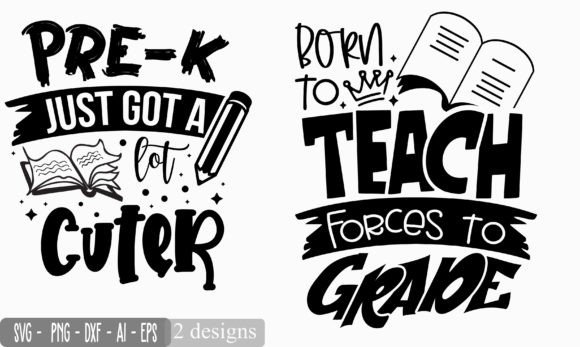
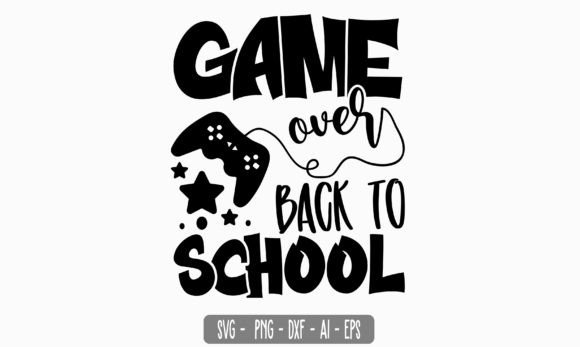
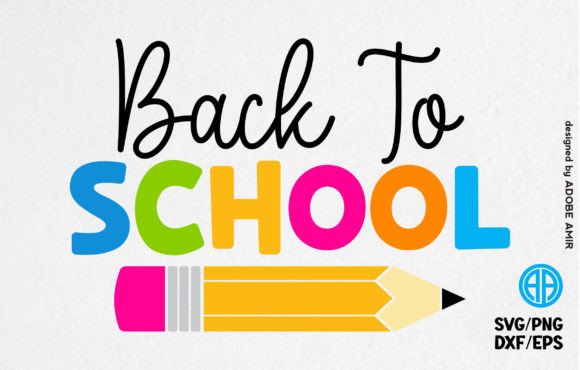
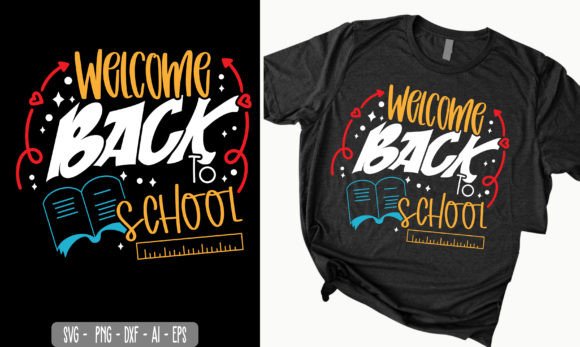
A “Welcome Back to School” digital file is a downloadable design package featuring stylized text or decorative lettering themed for the new academic year. Unlike printed posters or physical decals, this is a 100% digital product—no shipping, no inventory, no waiting. Once purchased, you receive a compressed ZIP folder containing multiple file formats ready for immediate use.
These files aren’t just pretty fonts—they’re precision-crafted vector and raster graphics designed for flexibility across platforms and purposes: classroom bulletin boards, custom t-shirts for school spirit days, vinyl decals for lockers, printable handouts, or even branded merchandise sold by PTA groups and small education-focused businesses.
Why Multiple File Formats? Understanding SVG, PNG, AI, DXF, and EPS
Each file type serves a distinct technical purpose. Knowing which to use—and when—makes all the difference in your project’s success.
SVG (Scalable Vector Graphics)
Best for: Cricut Design Space, web use, and responsive digital displays.
SVG files retain crisp clarity at any size because they’re built from mathematical paths—not pixels. This makes them ideal for cutting machines like Cricut Explore and Maker, where clean edges and precise contours are essential for clean vinyl cuts or iron-on transfers.
PNG (Portable Network Graphics)
Best for: Printing, social media graphics, and layered digital projects.
PNGs are high-resolution raster images with transparent backgrounds—perfect for overlaying on photos, adding to PowerPoint slides, or printing as classroom signs. While they don’t scale infinitely without quality loss, high-DPI PNGs (e.g., 300 DPI) print beautifully on standard office printers and photo paper.
AI (Adobe Illustrator)
Best for: Professional designers and advanced editing.
AI files are native to Adobe Illustrator and preserve full editability—including layers, paths, and typography. If you need to adjust spacing, recolor individual letters, or integrate the design into a larger branding system, AI gives you maximum control.
DXF (Drawing Exchange Format)
Best for: Silhouette Studio (especially older versions), CNC machines, and CAD software.
DXF is a universal vector format widely supported by silhouette cutting machines and industrial tools. It’s especially valuable if you're using Silhouette Cameo models that don’t fully support SVG natively—or if you work across both craft and technical fabrication environments.
EPS (Encapsulated PostScript)
Best for: Print shops, large-format printing, and legacy design software.
Though less common today, EPS remains a trusted standard for professional offset printing and sign-making services. Many commercial printers still request EPS for guaranteed compatibility and output fidelity.
Commercial Use: What It Means—and What It Doesn’t
When a listing states “this file is for commercial use,” it means you’re legally permitted to incorporate the design into products you sell—such as mugs, tote bags, T-shirts, or digital planners—as long as you follow the license terms.
However, important limitations apply:
- You may not resell or redistribute the files themselves—that includes uploading them to design marketplaces or sharing them in craft groups.
- You may not claim the design as your own original artwork—credit isn’t required, but intellectual property rights remain with the original creator.
- Some licenses restrict use in “on-demand” platforms (e.g., Printful, Redbubble) unless explicitly allowed—always double-check the seller’s terms.
For educators: Commercial use also covers school fundraisers, PTA merchandise sales, or district-approved promotional materials—making these files far more versatile than typical personal-use downloads.
How These Files Fit Into Real-World Education & Creativity
In today’s hybrid learning environment, digital design skills are no longer optional extras—they’re practical tools for engagement. Consider these everyday examples:
- Classroom Teachers: Create personalized welcome banners for doorways, editable name tags with student photos, or interactive PDF worksheets using the PNG version.
- School Administrators: Produce consistent, branded signage for orientation events, hallway displays, or digital newsletters—all from one scalable SVG file.
- Craft Entrepreneurs: Cut “Welcome Back” iron-ons for teacher appreciation bundles, then pair them with printable certificates (using the high-res PNG) for an instant product suite.
- Homeschool Families: Personalize learning journals, reward charts, or weekly schedule boards—customization fosters ownership and motivation.
Common Misconceptions—Clarified
Myth #1: “If it works in Cricut, it’ll work in Silhouette.”
Not always. While newer Silhouette Studio versions support SVG, older editions rely heavily on DXF or PNG with trace functions. Always verify compatibility before purchasing.
Myth #2: “High-resolution PNG = good for cutting.”
No—PNGs lack vector paths, so cutting machines can’t interpret outlines precisely. For clean cuts, always use SVG, DXF, or EPS.
Myth #3: “Commercial use means unlimited distribution.”
False. Commercial licensing grants usage rights—not copyright transfer. You’re licensed to create derivative products, not replicate or repackage the source files.
Getting Started: A Simple 4-Step Workflow
- Download & Unzip: Save the ZIP file to your computer and extract all contents.
- Choose Your Format: Select SVG for Cricut, DXF for Silhouette, PNG for printing, or AI/EPS for advanced editing.
- Import & Customize: Open in your preferred software. Resize freely (vectors), change colors, layer elements, or add student names.
- Produce & Share: Cut, print, embroider—or embed into digital lessons. Done!
Final Thoughts: More Than Just a Greeting
“Welcome Back to School” digital files represent something deeper than seasonal decor: they reflect how creativity, technology, and education are converging. With accessible tools like Cricut and free design platforms, anyone—from first-year teachers to homeschooling grandparents—can produce polished, professional-grade resources in minutes.
More importantly, these files empower intentionality. A thoughtfully designed welcome isn’t just about aesthetics—it signals care, consistency, and community. When students walk into a classroom adorned with vibrant, cohesive visuals, they feel seen. When small businesses offer unique, school-themed products, they strengthen local ties. And when creators invest in ethically licensed assets, they support a sustainable ecosystem of digital craftsmanship.
So whether you’re prepping lesson plans, launching a side hustle, or simply brightening your child’s first day—choose files that are versatile, clearly licensed, and built to inspire. Because returning to school isn’t just about routine. It’s about renewal. And sometimes, the best welcome begins with a single, perfectly cut letter.