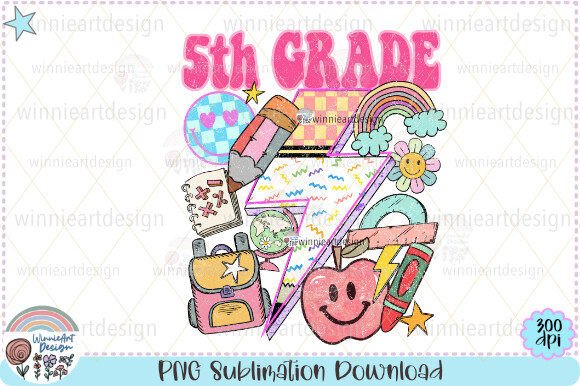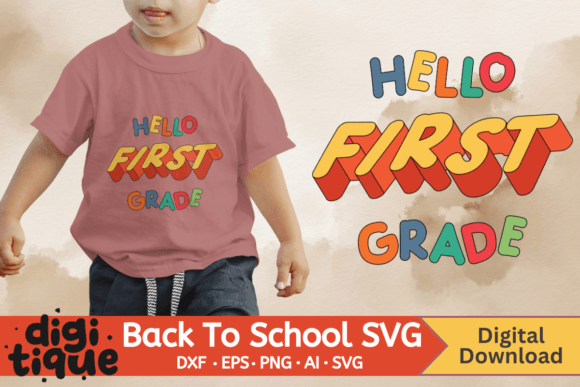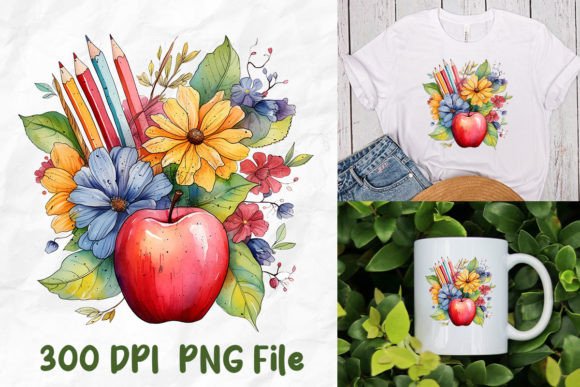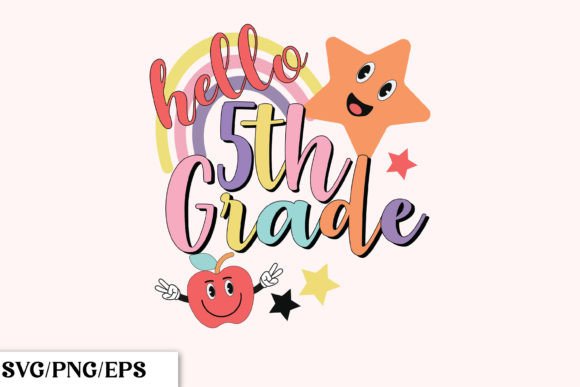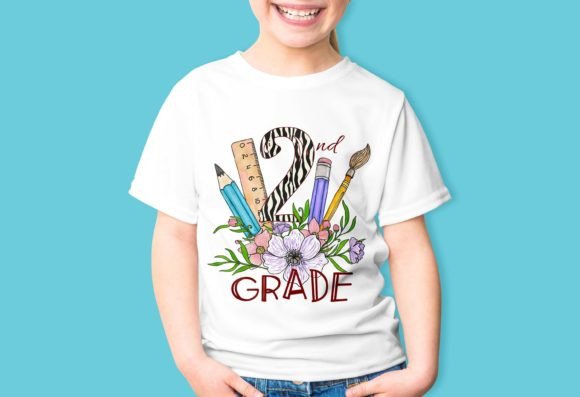
Second Grade of School Back to School Sublimation Design
Second Grade of School Back to School sublimation designs are purpose-built digital assets tailored for educators, parents, and small business owners who create personalized school-themed merchandise. Unlike generic “back to school” graphics, these designs specifically reflect the developmental stage, interests, and classroom experience of second-grade learners—think friendly animals holding pencils, simple math symbols like addition and subtraction signs, storybook characters, or cheerful chalkboard motifs with “2nd Grade” prominently featured. They’re not just decorative; they carry contextual relevance that resonates with children aged 7–8, their families, and teachers preparing for a new academic year.
What Makes Second Grade of School Back to School Distinct?
The distinction lies in age-appropriate symbolism and pedagogical alignment. A design labeled “Second Grade of School Back to School” intentionally avoids overly complex themes (like advanced science concepts or abstract art) while steering clear of preschool-level simplicity (e.g., oversized alphabet letters or baby animals). Instead, it balances readability, visual clarity, and thematic accuracy: numerals up to 100, sight words, basic geography icons (like simple maps or globes), and inclusive illustrations showing diverse children engaged in learning. This level of specificity matters when selecting assets for classroom décor, student gifts, or PTA fundraising items—it signals intentionality and understanding of curriculum-aligned aesthetics.
How It Compares to Broader Back-to-School Design Categories
General back-to-school collections often prioritize versatility over grade specificity. You’ll find many PNG bundles labeled “Back to School” that include overlapping elements—calendars, apples, notebooks—but lack grade-level nuance. In contrast, a Second Grade of School Back to School design set delivers focused visual language. For example, a generic pack might feature a cartoon owl holding a scroll labeled “Welcome,” whereas a second-grade-specific version shows the same owl beside a number line or a “My Reading Log” badge—subtle but meaningful differences for users who value contextual fidelity.
Compared to kindergarten or third-grade alternatives, second-grade designs tend to use slightly more structured layouts and marginally richer color palettes—supporting emerging independence without overwhelming young viewers. They also avoid infantilizing tropes (e.g., pacifiers or diapers) while remaining playful enough to feel welcoming—not stiff or overly academic.
Practical Use Cases and Material Compatibility
This particular Second Grade of School Back to School sublimation design is delivered as a high-resolution PNG file: 12 x 12 inches at 300 dpi with a transparent background. That specification supports reliable reproduction across multiple substrates:
- T-shirts and tote bags: The transparent background allows clean layering on colored fabrics without white halos or cropping errors.
- Ceramic mugs and coasters: At 300 dpi and full 12-inch square dimensions, the file retains crisp detail even after sublimation transfer onto curved surfaces.
- Pillows, mouse pads, and acrylic keychains: Consistent resolution ensures legibility of small text elements like “Class of 2025” or “Ms. Lee’s 2nd Graders.”
- Iron-on transfers and direct-to-garment printing: While optimized for sublimation, the file works well with heat-transfer vinyl workflows requiring raster input—provided the printer supports PNG transparency handling.
Note: This is not an SVG file, nor is it scalable vector artwork. Users needing editable paths, infinite resizing, or cut-file compatibility for Cricut or Silhouette machines will need to source vector alternatives separately. That limitation isn’t a flaw—it reflects the design’s intended use case: high-fidelity, fixed-dimension sublimation output rather than craft-cutting flexibility.
Strengths and Tradeoffs
Strengths:
- Ready-to-use quality: No design software expertise required to implement. Open, place, and print.
- Consistent sizing: All files match standard sublimation blanks (e.g., 12-inch square blanks for pillows or tiles).
- Gender-neutral appeal: Illustrations avoid stereotyped color coding (e.g., no “blue for boys / pink for girls”) and instead rely on balanced composition, varied skin tones, and activity-based imagery (reading, building, measuring, drawing).
- Curriculum-adjacent relevance: Visual cues align with common second-grade standards—place value charts, sentence structure icons, community helper figures—making them useful beyond decoration (e.g., behavior charts, reward certificates).
Tradeoffs:
- No layered PSD or AI source files: If you need to adjust individual elements (e.g., change a character’s shirt color or reposition a badge), editing must happen in raster editors like Photoshop or GIMP—and may affect edge quality.
- Fixed orientation: The 12 x 12 inch square format works beautifully for centered prints but requires manual adaptation for horizontal banners or tall mug wraps.
- Limited customization scope: Text is embedded, not live-font. Altering wording (e.g., from “2nd Grade” to “Grade 2”) would require redesigning the graphic—not simply typing a replacement.
When This Is the Right Choice
A Second Grade of School Back to School sublimation design fits best when your goal is efficiency, thematic precision, and production consistency. Consider it ideal if you’re:
- Running a small shop producing custom teacher appreciation gifts for second-grade staff;
- Organizing a class fundraiser and ordering bulk-printed water bottles or lanyards for all students in a single grade;
- Creating welcome kits for incoming second graders—including a t-shirt, notebook, and pencil pouch—all featuring coordinated visuals;
- Designing printable classroom resources (e.g., door hangers, award certificates) where matching sublimated items reinforce visual continuity.
In each scenario, having a pre-vetted, grade-specific asset saves time and improves perceived professionalism compared to repurposing generic school clipart.
When Another Option May Be Better
If your project demands heavy text customization—such as adding unique student names, school names, or bilingual labels—an editable vector file (SVG or EPS) would offer greater flexibility. Similarly, if you’re creating signage larger than 24 inches or need seamless tile patterns for wall decals, a scalable vector or multi-layered PSD would be more appropriate.
For educators building interactive digital lessons, a PNG alone won’t suffice—you’d want compatible Google Slides templates or Canva-ready versions with editable text boxes. And if your audience includes multilingual families, consider whether the current design uses universally recognizable symbols versus English-only text—some second-grade sets assume monolingual contexts, which may limit inclusivity.
Making an Informed Decision
Evaluating a Second Grade of School Back to School sublimation design involves looking beyond resolution and file type. Ask yourself:
- Does the illustration style match your school’s visual identity or classroom tone? (e.g., minimalist vs. vibrant, realistic vs. cartoonish)
- Are the depicted activities and symbols aligned with what second graders actually do—not what adults assume they should?
- Will the transparent background integrate cleanly with your chosen substrate’s color and texture?
- Do you have access to tools that support PNG transparency in your printing workflow—or will you need to manually add white backing layers?
There’s no universal “best” design—only the one that best serves your specific context, constraints, and audience. A Second Grade of School Back to School sublimation file excels when clarity, consistency, and grade-level resonance matter most. When those priorities align with your goals, it becomes less of a graphic and more of a functional tool—one that helps children feel seen, teachers feel supported, and families feel connected to the school year ahead.