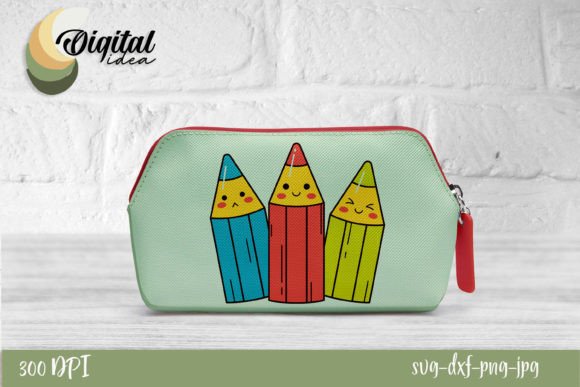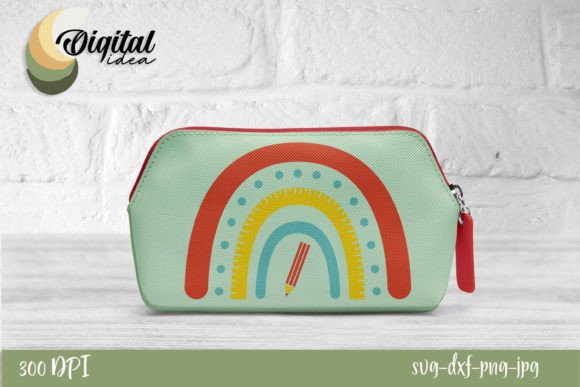
Back to School Pencil Case & Zip Folder SVG Design: Creative Projects for Students, Teachers & DIY Enthusiasts
What Is a Back to School Pencil Case & Zip Folder SVG Design?
A Back to School pencil case and zip folder SVG design is a versatile digital artwork file—typically featuring cheerful school-themed graphics like pencils, notebooks, apples, backpacks, or motivational phrases—formatted for precision cutting and printing. SVG (Scalable Vector Graphics) is just one of several compatible formats; designers also provide the same artwork in DXF, EPS, PDF, JPG, and PNG to suit different tools and workflows.
Unlike raster images (like JPG or PNG), vector files (SVG, DXF, EPS) retain crisp edges at any size—making them ideal for scaling from a tiny tumbler decal to a large wall mural. PDF files often serve dual roles: as print-ready layouts or vector-based instructions, while JPG and PNG are perfect for digital mockups, social media posts, or craft project previews.
Why This Design Matters for Modern Learning & Creativity
In today’s hybrid learning environment—where students toggle between classroom desks and home study nooks—a personalized pencil case or zip folder does more than hold supplies. It fosters ownership, confidence, and school spirit. For educators, custom-branded folders help organize lesson materials while reinforcing classroom identity. For parents and caregivers, these designs simplify back-to-school prep with meaningful, reusable accessories—not disposable plastic.
From a creative business standpoint, this design is a high-demand asset. Teachers, homeschool co-ops, school PTA groups, and small-batch craft entrepreneurs regularly seek ready-to-use, licensable files they can adapt across products—without needing advanced graphic design skills.
Real-World Uses Beyond the Classroom
- T-shirts & apparel: Use heat transfer vinyl (HTV) to apply the design onto cotton tees, tote bags, or hoodies—ideal for school staff appreciation days or student club merch.
- Wood signs & reverse canvas art: Cut the SVG on a Cricut or Silhouette machine, then apply HTV or paint to create rustic classroom décor or graduation gifts.
- Tumbler & mod decals: With permanent adhesive vinyl, produce durable, dishwasher-safe decals for stainless steel tumblers, laptop lids, gaming controllers, or phone cases.
- Vehicles & windows: Apply weather-resistant permanent vinyl to cars, bus windows, or storefront glass for promotional or seasonal branding.
- Wall decals & room accents: Removable vinyl lets you decorate dorm rooms, home offices, or learning spaces without damaging paint—peel off cleanly at semester’s end.
- Cardmaking & scrapbooking: Print the JPG or PNG version onto cardstock or specialty paper, then cut by hand or machine for handmade greeting cards, planner stickers, or memory books.
How to Choose the Right File Format for Your Project
Selecting the correct file type ensures your project turns out exactly as imagined—and avoids frustrating delays or quality loss.
Vector Files (Best for Cutting & Scaling)
- SVG: Native format for Cricut Design Space. Supports layers, transparency, and color-coded cut lines—perfect for beginners using Cricut machines.
- DXF: Universally accepted by Silhouette Studio and most CNC/laser software. Ideal if you’re using older versions of design platforms or industrial cutters.
- EPS: Industry-standard vector format used by professional sign shops and print services. Great for large-format printing or commercial vinyl application.
Raster & Hybrid Files (Best for Printing & Digital Use)
- PDF: Preserves vector elements when opened in Adobe Illustrator or InDesign—but also works as a printable document. Many users rely on PDFs for instant download and offline reference.
- JPG & PNG: High-resolution raster files. PNG includes transparent backgrounds—crucial for overlaying designs on photos or layered digital projects. JPG offers smaller file sizes and broad compatibility for web use or email sharing.
Pro tip: Always download all available formats. You might start with an SVG for a tumbler decal, then later need the PNG to add the same icon to a Google Slides presentation—or the EPS for a local print shop producing 50 faculty welcome kits.
Common Misconceptions—Cleared Up
Misconception #1: “SVG files only work with Cricut.”
False. While Cricut Design Space natively reads SVG, many third-party tools—including Silhouette Studio (with upgrade), Inkscape (free), and Adobe Illustrator—open and edit SVGs. DXF and EPS expand compatibility further.
Misconception #2: “JPG and PNG are ‘low quality’ for crafts.”
Not necessarily. A 300 DPI PNG with transparent background delivers excellent results for printed stickers, iron-on transfers, or digital planners—especially when vector isn’t required for cutting.
Misconception #3: “Removable vinyl won’t last.”
It lasts 1–3 years indoors under normal conditions—and its gentle adhesion makes it ideal for renters, dorm students, or anyone who values flexibility over permanence. It’s not meant for outdoor vehicle wraps—but it’s perfect for locker doors, laptops, or classroom whiteboards.
Getting Started: A Beginner-Friendly Workflow
- Download your files from a trusted source that provides commercial-use licensing (if selling finished items).
- Choose your medium: T-shirt? Use HTV and a heat press or household iron. Tumbler? Grab permanent adhesive vinyl and a scraper tool.
- Upload to your cutting software: In Cricut Design Space, click “Upload Images” → select your SVG. Resize freely—the vectors stay sharp.
- Prepare your material: Mirror the design for HTV; weed excess vinyl carefully; burnish edges for strong adhesion.
- Apply with care: Follow temperature/time guidelines for HTV; use low-tack tape to position removable decals before smoothing.
Why Educators & Small Businesses Love This Design
This single design serves multiple audiences simultaneously—reducing overhead and increasing reach. A school counselor can turn the same apple-and-pencil motif into:
- A laminated “Student of the Month” certificate (PDF print)
- A vinyl decal for therapy-room water bottles (permanent vinyl + SVG)
- A stitched patch for peer mentor vests (embroidery digitizing from EPS)
- A Canva slideshow background for orientation (PNG)
For micro-businesses, bundling the design with step-by-step video tutorials or curated supply lists (e.g., “Back to School Starter Kit: Vinyl + Weeder + Transfer Tape”) adds tangible value—and builds trust through demonstrated expertise.
Final Thoughts: More Than Just a Design—It’s a Creative Catalyst
The Back to School pencil case and zip folder SVG design is far more than a seasonal trend. It’s a flexible, scalable, and deeply practical tool that bridges education, entrepreneurship, and everyday creativity. Whether you’re prepping your child’s first-grade supplies, launching a teacher-themed Etsy shop, or designing inclusive classroom resources for neurodiverse learners, this design adapts—with intention and ease.
By understanding how each file format functions—and matching it to your tools, timeline, and goals—you transform digital downloads into real-world impact: confidence-building accessories, joyful learning environments, and memorable handmade keepsakes. And because it’s built for reuse, remixing, and reimagining, this design doesn’t expire when summer ends. It evolves—just like the students, teachers, and makers who bring it to life.
Ready to begin? Choose your favorite format, gather your supplies, and make this school year uniquely yours—one thoughtful, handmade detail at a time.