All About Me Back to School Activities: Build Connection, Confidence, and Community
As summer winds down and backpacks get stocked, educators and parents alike face a joyful yet pivotal challenge: helping children transition smoothly into a new school year—not just academically, but socially and emotionally. Enter the All About Me back to school activity—a timeless, research-informed strategy that goes far beyond icebreakers and name tags. It’s a purposeful, playful, and profoundly human way to welcome young learners, honor their individuality, and lay the foundation for inclusive, responsive learning environments.
What Is an “All About Me” Activity—Really?
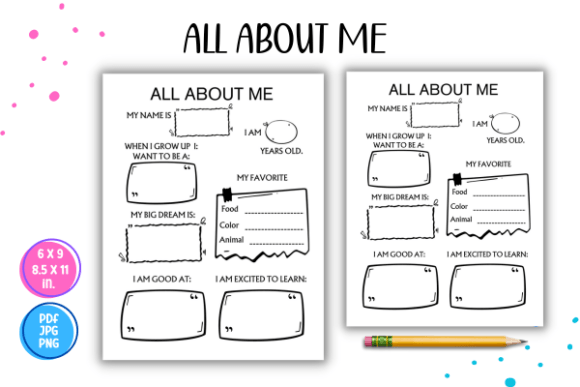
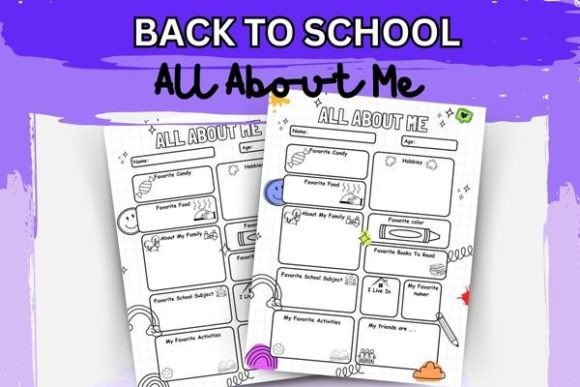
An All About Me activity is a guided, student-centered exploration where children share key aspects of their identity—favorite foods, family traditions, hobbies, strengths, feelings, cultural background, languages spoken at home, pets, dreams, and more. Unlike generic questionnaires, high-quality All About Me resources are intentionally designed with developmental appropriateness in mind: visual prompts for pre-readers, sentence stems for emerging writers, and open-ended reflection spaces for older elementary students.
Crucially, it’s not about collecting data—it’s about cultivating mutual understanding. When a kindergartener draws their home and labels it “where my abuela lives,” or a second grader writes “I speak English and Tagalog,” they’re not just completing a worksheet—they’re asserting belonging. And when teachers and peers listen, respond, and incorporate those insights into daily routines, curriculum, and classroom culture, learning becomes deeply personal and powerfully effective.
Why These Activities Matter More Than Ever
In today’s diverse, fast-paced, and often digitally saturated world, intentional relationship-building is no longer optional—it’s essential. Research consistently shows that students who feel seen, known, and valued demonstrate higher engagement, improved self-regulation, stronger peer connections, and greater academic resilience. The All About Me activity directly supports these outcomes by:
- Supporting social-emotional development: Naming emotions, preferences, and experiences helps children build emotional vocabulary and self-awareness.
- Informing differentiated instruction: Learning that a child loves dinosaurs or enjoys building with LEGO® helps teachers connect math concepts to real-world interests—or scaffold reading with high-motivation topics.
- Strengthening home-school partnerships: Thoughtfully designed printables often include optional family involvement (e.g., “Ask a grown-up: What’s one thing you’re proud of me for?”), inviting caregivers as co-educators.
- Promoting equity and inclusion: By centering each child’s voice—and honoring varied family structures, abilities, languages, and traditions—these activities counter assumptions and celebrate pluralism as a classroom strength.
A Common Misconception—And Why It Holds Back Learning
Some assume All About Me activities are “just for the first week” or “fluffy extras” with little academic weight. That’s a significant misunderstanding. In reality, this work is foundational literacy—for both students and educators. Just as a doctor begins with a patient history before prescribing treatment, teachers need authentic insight into who their learners are before designing meaningful instruction. Skipping this step risks misalignment: assigning texts that ignore students’ lived experiences, using examples that don’t resonate, or overlooking quiet strengths because they don’t fit traditional participation norms.
Consider this example: A teacher uses an All About Me page revealing that several students help care for younger siblings. She integrates that responsibility into a narrative writing unit—“A Day in My Life”—and invites students to write from perspectives that reflect their real roles and rhythms. Engagement soars—not because the topic is easier, but because it’s relevant.
How to Use This Resource Effectively (Not Just Once)
A truly effective All About Me printable pack isn’t a one-time handout—it’s a living tool. Here’s how to maximize its impact across the school year:
- Launch with intention: Introduce the activity during morning meeting or circle time—not as busywork, but as an act of respect. Model sharing something personal (“I love baking sourdough—and sometimes it collapses! That’s okay.”).
- Offer choice and voice: Let students choose how to respond—drawing, dictating to an adult, using speech-to-text, or writing. Provide multiple representation options (e.g., emoji-based emotion charts alongside word banks).
- Display with dignity: Hang completed pages in a “Getting to Know Us” gallery—not as decoration, but as a reference point. Refer back: “Remember when Sam shared that he builds robots? Let’s use that idea in our engineering challenge today.”
- Revisit and reflect: Reuse the same template midyear or at semester’s end. Ask: “What’s changed? What’s stayed the same? What are you proud of now?” This builds metacognition and celebrates growth.
- Extend beyond the page: Turn responses into class books, digital slideshows, or audio interviews. Invite families to contribute photos or voice notes. Connect themes to read-alouds like The Name Jar or All Are Welcome.
Who Benefits—and How
While often associated with early elementary classrooms, All About Me activities hold value across ages and settings:
- Preschool & Kindergarten: Focus on sensory preferences (“What sound makes you smile?”), family photos, and simple self-portraits. Builds identity awareness and oral language.
- Grades 1–3: Add structured choices (“My favorite subject is… because…”), goal-setting prompts (“One thing I want to try this year is…”), and collaborative elements like partner interviews.
- Upper Elementary & Beyond: Deepen reflection with questions about values, challenges they’ve overcome, or how they learn best. Supports executive function and advocacy skills.
- Special education & multilingual learners: Visual supports, bilingual response options, and flexible output formats make these tools especially powerful for accessibility and scaffolding.
- Parents & homeschoolers: Use the same pages to spark dinner-table conversations, document developmental milestones, or create personalized learning plans aligned with interests.
Technology’s Role—Enhancing, Not Replacing, Human Connection
Digital versions of All About Me resources—interactive PDFs, Google Slides templates, or Seesaw-friendly activities—are increasingly popular. Used thoughtfully, tech can broaden access (e.g., text-to-speech for readers, drawing tools for fine-motor support) and allow for multimedia expression (uploading photos, recording voice clips). But the core magic remains analog: eye contact during sharing, the tactile joy of coloring, the teacher’s handwritten note on a student’s page. Balance is key—technology should serve connection, not substitute for it.
Final Thoughts: It’s Not About Fitting In—It’s About Belonging
Back to school season carries weight—excitement, anxiety, anticipation, and sometimes grief over summer’s end. An All About Me activity doesn’t erase those feelings. Instead, it creates space for them to be acknowledged, named, and honored. It signals, clearly and consistently: You are not a seat number or a reading level. You are a whole person—with stories, strengths, questions, and gifts—and this classroom is better because you’re here.
Whether you’re a veteran teacher refining your first-week routine, a new educator seeking evidence-backed strategies, or a parent supporting learning at home—this resource offers more than convenience. It offers clarity, compassion, and continuity. Because when we begin by asking, “Who are you?”—and truly listen to the answer—we don’t just start the school year. We begin something much deeper: a year of trust, growth, and shared humanity.
Download your ready-to-use All About Me printable pack today—designed with care for children, practicality for adults, and lasting impact for every learning community.