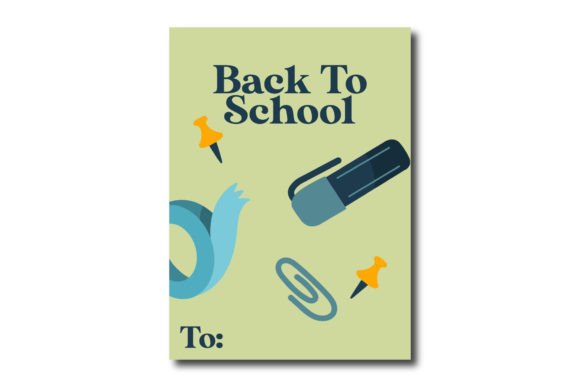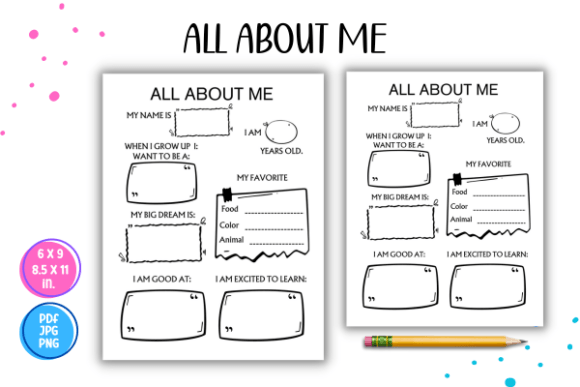
All About Me - Back to School 05
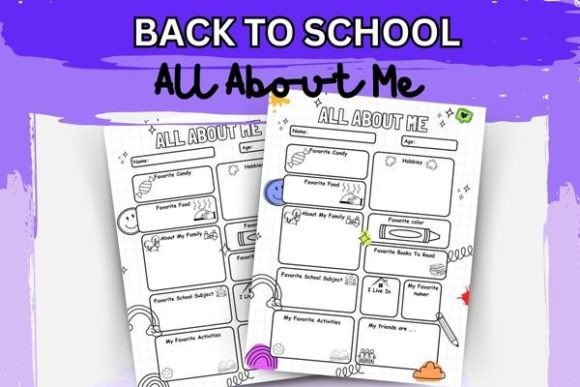
When preparing for a new school year—whether you’re an educator setting up your classroom, a homeschooling parent designing a learning rhythm, or a small business owner creating resources for early learners—the All About Me - Back to School 05 printable card serves as a simple but strategic starting point. It’s not just a decorative activity sheet; it’s a functional tool designed to support identity-building, communication scaffolding, and early literacy development across preschool through early elementary years. Its strength lies in how seamlessly it integrates into existing workflows—without adding friction, overhead, or setup time.
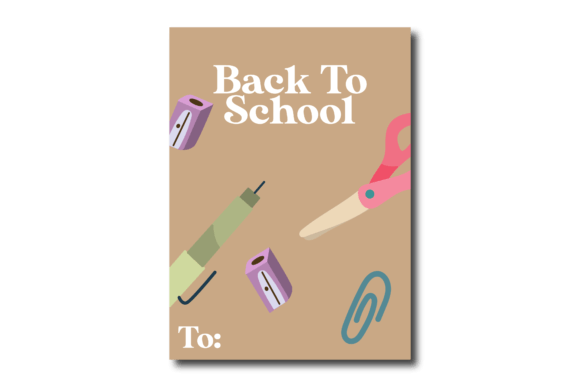
This resource delivers one cohesive design in two physical dimensions (6×9 inches and 8.5×11 inches) and three file formats: PDF, JPG, and PNG. That flexibility means it adapts to how you already work—whether you’re printing on standard letter paper, scaling for a bulletin board, embedding into a digital portfolio, or layering into a Canva lesson plan. Since it’s a digital-only product, there’s no shipping, inventory, or storage to manage—just immediate access and control over output quality.
Where It Fits in Your Planning Cycle
All About Me - Back to School 05 functions most effectively when aligned with intention—not as an isolated task, but as part of a broader onboarding or relationship-building sequence. For educators, it often lands in the first week of school, paired with name tags, classroom jobs charts, or family connection surveys. For creators building themed curriculum bundles, it slots naturally into “getting-to-know-you” modules alongside emotion cards, self-portrait templates, or community circle prompts.
It also supports backward planning: if your goal is stronger student voice or more personalized instruction by October, using this card in August helps surface baseline interests, language preferences, and comfort levels with self-expression. That data isn’t formal or graded—it’s observational, human, and actionable. You might notice patterns across responses—like repeated themes of pets, favorite colors, or siblings—that inform future read-aloud selections, small-group pairings, or behavior support strategies.
How It Works With Other Tools and Systems
Because it’s delivered in multiple formats, All About Me - Back to School 05 interoperates cleanly with common platforms. The PDF version preserves fonts and layout integrity—ideal for printing handouts or compiling into a student welcome packet. The JPG works well in slideshow-based morning meetings or embedded into Seesaw or Google Classroom announcements. The PNG (with transparent background) allows for easy layering over photos, classroom backgrounds, or digital portfolios—especially useful if you’re building branded materials for a blog, TPT store, or newsletter.
It pairs efficiently with low-tech systems too: laminate copies for reusable center activities, cut out the sections for sorting games (“Who has a dog? Who likes apples?”), or use blank versions as templates for differentiated writing prompts. If you’re using a student data tracker or learning management system, responses from this card can feed qualitative notes into individual profiles—complementing quantitative benchmarks like DIBELS or running records.
Practical Implementation Tips
Preparation matters—but not in the way you might expect. You don’t need to pre-cut, pre-sort, or pre-label. Instead, invest 5 minutes before printing to decide: will students write directly on the card, or will they dictate answers for you to scribe? Will you use crayons (better for fine motor practice) or pencils (easier to scan later)? These small choices affect legibility, durability, and how easily responses translate into other uses—like scanning for digital archiving or photo documentation.
Consistency builds familiarity. If you’re using this across multiple grade levels or years, keep the same size and format where possible—even if you tweak wording or icons. Children recognize visual rhythm. A returning kindergartner who sees the same 6×9 layout in first grade feels continuity. Similarly, educators reusing it year after year build muscle memory around where to place it in their opening routines—and that saves mental bandwidth during high-cognitive-load periods like back-to-school week.
Efficiency comes from reuse—not reinvention. Print extra copies on cardstock and store them flat in a labeled drawer. Use the JPG version to create a quick slide deck for whole-group modeling (“Watch me fill out my own ‘All About Me’ card”). Save the PNG in your design asset library so it’s one click away when building a new welcome email template or parent handout.
Long-Term Value Beyond Day One
Don’t underestimate how much this card reveals over time. When stored securely (digitally or physically), dated versions become longitudinal artifacts—showing growth in handwriting, vocabulary, confidence, or self-concept. Compare a September response (“I like trucks”) with a May one (“I build bridges with blocks and explain how they hold weight”) and you’ve got authentic evidence of cognitive and expressive development.
For content creators, this card is also a quiet workflow multiplier. Because it’s clean, scalable, and brand-agnostic, it fits into seasonal product lines without needing redesign. Bundle it with a “Back to School Readiness Checklist” or “First Week Teacher Planner” and it strengthens perceived value—while requiring minimal additional production effort. And because it’s age-flexible, you can repurpose it across audiences: adapt instructions slightly for special education paraprofessionals, ESL tutors, or summer camp staff—all using the same core file.
What Makes It Usable—Not Just Pretty
Usability here hinges on three things: clarity of structure, tolerance for variation, and absence of assumptions. The layout guides attention without constraining expression—there’s space for drawing, tracing, or writing, depending on developmental level. It avoids gendered imagery or culturally narrow examples (no default skin tones, no implied family structures), making it adaptable across diverse classrooms and home environments.
It also assumes nothing about your tech access. No login, no subscription, no internet required once downloaded. That’s critical for rural educators, under-resourced schools, or caregivers managing screen time. You decide whether it lives on paper, tablet, or whiteboard—and the file formats support all three paths equally well.
Integration Into Real Workflows
- Educators: Add it to your “first five days” checklist. Pair it with a photo booth corner—students complete the card, then take a picture holding it. Display both side-by-side on a hallway wall to reinforce belonging and visibility.
- Curriculum Designers: Use the PNG version as a base layer when mocking up sample pages for a new early childhood unit. Clients instantly recognize its utility and age-appropriateness—making pitch decks more concrete and less abstract.
- Homeschooling Parents: Print one copy per child, hole-punch, and add it to a 3-ring binder labeled “My Learning Year.” Revisit it quarterly—cross out old answers, add new ones, and talk about what changed and why.
- Small Business Owners: Include it as a bonus in a “Classroom Starter Kit” digital bundle. It adds perceived completeness without increasing file size or complexity—and encourages repeat visits to your shop for seasonal variations.
Ultimately, All About Me - Back to School 05 earns its place not because it solves every challenge—but because it removes friction at a critical inflection point. It turns vague intentions (“get to know my students”) into tangible actions (“here’s a consistent, respectful, accessible way to begin”). That’s how practical tools endure: they don’t demand change from you—they align with how you already think, plan, and act.