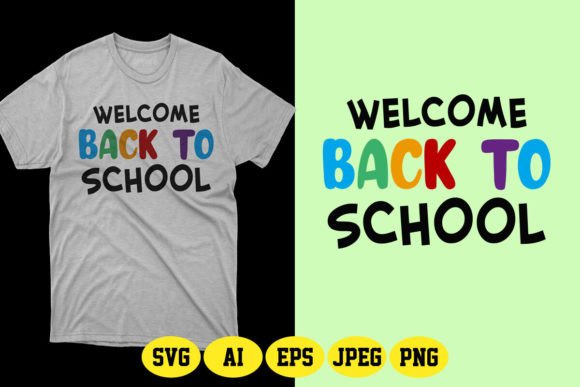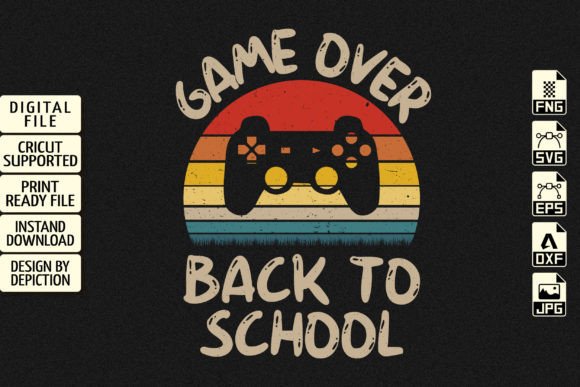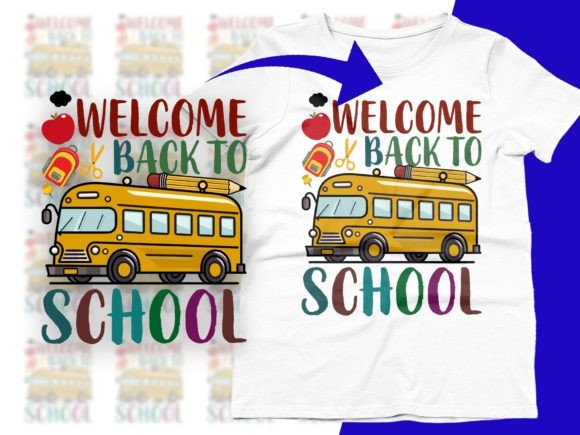
Welcome Back to School 1st Day of School
Whether you're a teacher preparing classroom decor, a parent crafting personalized first-day signs, or a small business owner designing custom apparel for back-to-school season, Welcome Back to School 1st Day of School digital designs offer real versatility. These aren’t just clipart—they’re production-ready files built for precision cutting and high-quality printing. With clean lines, scalable vectors, and transparent-background PNGs, they work seamlessly with Cricut, Silhouette, and other cutting machines—and translate beautifully onto t-shirts, mugs, wall art, greeting cards, and more.
Why This Design Stands Out (and Why It’s Easy to Misuse)
Many people assume any “back to school” graphic will do—but that’s where usability breaks down. A poorly spaced script font may not cut cleanly on vinyl. A low-resolution PNG can pixelate on a large print. Or worse: a design labeled “SVG” might actually be a raster image saved with an .svg extension—making it useless for precise cutting.
This Welcome Back to School 1st Day of School set avoids those pitfalls. It includes one true vector SVG (editable in design software), one AI file (ideal for professional designers), and two high-resolution PNGs—one optimized for screen use and one at 300 dpi with full transparency for print. That matters because transparency lets you layer text over photos or backgrounds without white boxes ruining your layout.
1. Assuming All File Types Work the Same Way
Not all formats serve the same purpose. An SVG is best for cutting machines—you’ll import it directly into Cricut Design Space or Silhouette Studio and resize without losing quality. But if you try to open that same SVG in Canva or PowerPoint, it may render incorrectly or lose layers. Meanwhile, the AI file is meant for Adobe Illustrator users who need full path editing; it’s overkill (and unreadable) in most consumer apps.
Better approach: Match the file type to your tool. Use the SVG for cutting. Use the 300 dpi PNG for printed posters or photo overlays. Save the AI file only if you plan to adjust anchor points or convert text to outlines later.
2. Skipping the Transparency Check Before Printing
That “transparent background” claim sounds great—until you open the PNG and see a faint gray grid or, worse, a solid white box behind the text. Some sellers include transparency but don’t test it across platforms. If you print that onto a navy blue mug or lay it over a sunset photo, the white background becomes glaringly obvious.
Better approach: Open the PNG in a free editor like Photopea or GIMP before importing it anywhere. Zoom in and check edges. If you see white pixels where there should be transparency, contact the seller—reputable creators will replace it instantly. Don’t assume “PNG = transparent.” Always verify.
3. Overlooking Font Licensing in Commercial Use
Most Welcome Back to School 1st Day of School designs use licensed fonts—but not all licenses cover resale. If you’re selling t-shirts or mugs with this design, double-check whether the included font allows commercial redistribution. Some free fonts restrict use on physical products unless you purchase an extended license.
Better approach: The safest route? Convert all text to outlines (in Illustrator or Inkscape) before cutting or printing. That removes font dependency entirely. If you’re using the PNG version, this step isn’t needed—but keep it in mind if you ever edit the vector files yourself.
What to Confirm Before You Download—or Buy
Before adding this design to your cart or library, ask yourself three things:
- Is the file structure clearly documented? Look for a README or product description listing exact dimensions, color mode (RGB vs. CMYK), and layer organization. Vague listings like “high quality files” are red flags.
- Does the preview show real-world application? Good sellers include mockups—e.g., the design on a chalkboard sign, embroidered on a backpack, or heat-pressed on a crewneck. If all you see is a flat white-background JPEG, you’re missing context on scale, spacing, and contrast.
- Are updates or support included? Life happens: software changes, new machine firmware rolls out, or you realize you need a black-and-white version for embroidery. Reputable creators offer free updates or responsive support—not just a one-time download and silence.
Realistic Examples: Small Choices, Big Impact
Consider Sarah, a homeschool mom who ordered a Welcome Back to School 1st Day of School sign for her daughter’s photo shoot. She downloaded the PNG, dragged it into Canva, and placed it over a backyard photo—only to find the white outline didn’t blend. She spent 20 minutes erasing edges manually. Had she checked transparency first—or used the SVG in a vector editor to recolor the outline black—she’d have saved time and gotten cleaner results.
Then there’s Marcus, who runs a local screen-printing shop. He bought a similar design online, assumed the font was licensed for resale, and printed 50 shirts—only to get a cease-and-desist email about unauthorized font use. He had to reprint every shirt with a different typeface and eat the cost. Converting to outlines beforehand would’ve prevented that entirely.
Final Thought: Quality Isn’t Just About Looks—It’s About Workflow
A great Welcome Back to School 1st Day of School design does more than look cheerful. It saves time, prevents rework, and scales across mediums without surprises. That means clean vector paths for crisp cuts, tested transparency for flexible layouts, and documentation that respects your expertise—whether you’re a seasoned designer or opening Silhouette Studio for the first time.
So when you’re selecting files for your next project, don’t just scan for keywords or price. Ask: Does this set give me control? Does it adapt to my tools—not the other way around? And most importantly—does it let me focus on celebrating the moment, not troubleshooting the file?