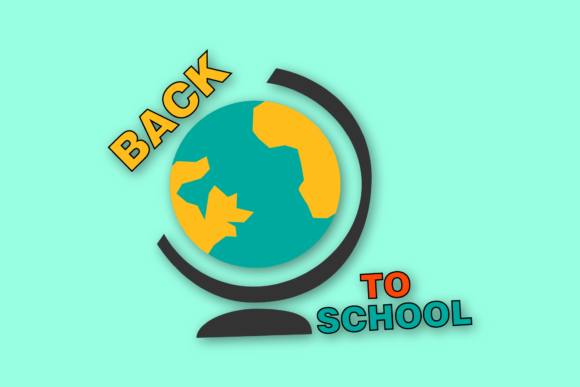
Back to School Creative Design
Whether you're launching a seasonal promotion, designing classroom resources, or refreshing your small business’s social media calendar, a high-quality Back to School Creative Design delivers immediate visual impact and real functional value. This isn’t just clipart or generic stock—it’s a thoughtfully crafted, production-ready digital asset built for flexibility, clarity, and professional use.
What sets this particular Back to School Creative Design apart is its intentional balance of thematic relevance and technical versatility. It captures the energy of new beginnings—crisp notebooks, bold typography, subtle academic motifs—without leaning into cliché. The composition works equally well as a banner, printable poster, email header, or social media graphic, thanks to its clean lines, balanced negative space, and smart color contrast.
What You Actually Get—And Why It Matters
This package includes 6 digital files, all built on a consistent 1920px × 1280px canvas. That size strikes a practical middle ground: large enough for high-res printing (think A4 posters or 13" laptop decals), yet optimized for web display across desktop, tablet, and even scaled-down mobile previews.
- 1 AI file — Fully layered and editable in Adobe Illustrator. Ideal for adjusting colors, swapping fonts, or isolating elements like icons or text blocks.
- 1 EPS file — Compatible with older design software and widely accepted by print vendors for vector-based output.
- 1 SVG file — Lightweight and responsive. Perfect for embedding directly into websites or using in modern UI kits where scalability matters.
- 1 DXF file — Ready for CNC cutting, vinyl plotting, or laser engraving—great for educators making tactile learning tools or makers building custom back-to-school signage.
- 1 JPG file — High-quality raster version, ideal for quick uploads to blogs, newsletters, or internal presentations where editing isn’t needed.
- 1 PNG file — Transparent background included. Use it over photos, gradients, or branded templates without clipping or white boxes.
All files arrive in a single ZIP folder. While unzipping is standard practice, it’s worth noting: if you’re on a newer Mac or Windows system, double-clicking usually handles it automatically. On Chromebooks or tablets, you may need a lightweight archive app—but that’s a one-time setup, not a workflow barrier.
Real-World Uses Across Roles
A Back to School Creative Design like this isn’t limited to teachers decorating bulletin boards. Its strength lies in adaptability—and here’s how different professionals actually use it:
- Educators embed the PNG into Google Slides for first-day welcome decks—or convert the SVG into an interactive drag-and-drop activity in platforms like Nearpod or ClassIn.
- Freelance designers drop the AI file into client brand kits, tweak the palette to match school colors or corporate guidelines, then repurpose individual elements across multiple assets (e.g., turning a chalkboard icon into a webinar thumbnail + newsletter divider).
- Small business owners (tutoring services, stationery shops, after-school programs) use the JPG as a Facebook cover photo and the DXF to cut custom window decals—keeping branding cohesive from digital to physical spaces.
- Bloggers and content creators layer the transparent PNG over lifestyle photography for Instagram carousels—no Photoshop skills required, just basic dragging in Canva or Figma.
- Nonprofits and PTAs print the EPS at local copy shops for handouts, orientation packets, or volunteer training decks—all without licensing concerns or pixelation.
Editing Made Practical—Not Just Possible
“Easy to edit” means something specific here. The AI file uses named layers, grouped objects, and non-destructive effects—not flattened vectors or embedded raster images. If you change the main headline font, the spacing adjusts intelligently. If you swap the accent color, it updates across all compatible elements in one click—not ten manual selections.
You don’t need to be a veteran designer to make meaningful changes. Basic familiarity with Adobe products helps, but even beginners using free alternatives like Inkscape (which opens SVG and EPS) can recolor shapes, adjust opacity, or export new sizes. Just avoid opening the AI file in non-vector software like MS Paint or Preview—that’ll flatten and degrade it instantly.
What to Keep in Mind Before You Use It
First: this is a design asset, not a full marketing campaign. It won’t write your email copy or build your landing page—but it will elevate both instantly when used intentionally. Pair it with strong, audience-specific messaging rather than relying on visuals alone.
Second: while the files support broad use, they’re licensed for personal and commercial projects—including resale in physical or digital products you create (like printable planners or merch). They’re not meant for reselling the raw files themselves or claiming authorship of the original design.
Third: test before scaling. If you plan to use the JPG or PNG beyond its native resolution, preview it at actual size on your target device. At 1920×1280, it holds up beautifully on most monitors—but pushing it to billboard scale would require vector-based enlargement (use the AI or EPS instead).
A Final Thought on Intentional Design
In a season flooded with rushed templates and overused motifs, choosing a Back to School Creative Design that feels both fresh and functional is a quiet act of professionalism. It signals care—for your audience’s attention, for your own time, and for the message you’re conveying. Whether you’re welcoming students, launching a tutoring service, or rebranding your education-focused startup, this asset doesn’t just fill space. It anchors your communication with clarity, consistency, and quiet confidence.
Thanks for looking—and thanks for valuing thoughtful, usable design. Have a nice time putting it to work.